
When a new baby is on the way, many parents find themselves thinking less about the baby and more about their older child. How will they adjust? Will they feel included? Will they enjoy having a sibling, or struggle with the changes ahead?
The truth is that there is no single “correct” reaction. Some children are excited from the beginning. Others seem uninterested, worried, protective, or even resistant. Most move through a mixture of feelings over time. Learning how to help your firstborn adjust to a new baby is rarely about finding the perfect activity or saying the perfect thing. More often, it is about helping them gradually build familiarity with the changes that are happening around them.
How to Help Your Firstborn Adjust to a New Baby
For adults, a new baby often represents excitement and anticipation. For a child, the experience can feel very different.
They may hear conversations about the baby, notice changes around the house, see new items appearing, or realise that family life is shifting in ways they cannot fully understand yet. Even when children seem enthusiastic, they are often still trying to make sense of what the arrival of a new sibling will actually mean. This is one reason why preparing children for a new baby is rarely one conversation.
Parents searching for how to help their firstborn adjust to a new baby are often looking for practical ideas. Yet many of the most meaningful adjustments happen through everyday experiences rather than carefully planned activities.
If you have not yet shared the news, you may find my article on how to tell your firstborn about a new baby helpful.

Familiarity Often Matters More Than Explanations
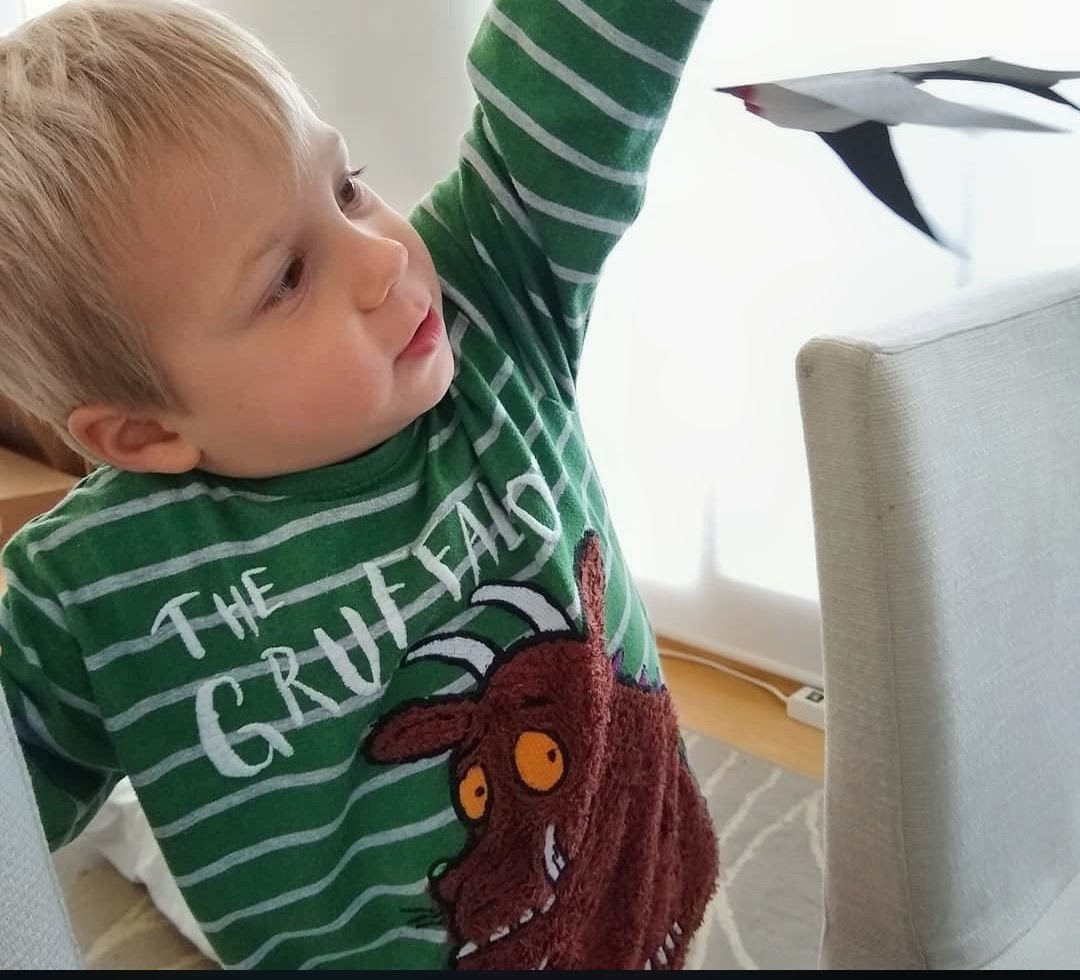
Children usually feel more secure when they are naturally involved in family preparations. This does not require elaborate activities. Small moments often have the greatest impact. Looking through their own baby photographs, talking about what newborns can and cannot do, helping prepare part of the baby’s space, or choosing a book to read together can all help the coming change feel more familiar.
Some families enjoy creating something for the baby together. Making a Montessori mobile, helping prepare part of a Montessori baby environment, or choosing a special item for the new arrival can help children feel involved long before the baby is born. These shared preparations often help the baby become a real person rather than an abstract idea. What matters most is not the activity itself, but the sense of belonging it creates.
There Is No Right Way to Feel
One of the most helpful things parents can remember is that children do not need to feel excited all the time. Many older siblings experience curiosity and frustration, excitement and jealousy, affection and resentment — sometimes all within the same day. These feelings do not mean the relationship is failing. They simply reflect the fact that a significant change is taking place.
Parents often carry worries too. Questions about whether the older child will feel pushed aside, lose closeness, or struggle with the shift in attention are extremely common.
In Montessori philosophy, preparation is not about preventing every difficult emotion. It is about creating enough security, honesty, and connection for those emotions to be experienced safely when they arise.
Children Are Adjusting to Change Too
When a new baby is on the way, adults often focus on what the older child is gaining: a sibling, a playmate, and a new relationship that may last a lifetime. But children are also experiencing a quieter transition.
For some, this may be the first time they realise that family life will no longer revolve around them in quite the same way. They are not only preparing to welcome someone new; they are also leaving behind a stage of life that felt familiar and secure. This does not mean the change is negative. Most children eventually grow into their new role naturally. But recognising this transition can help adults respond with more patience and empathy when big emotions appear.
During this time, many children also seek predictable connection with the other parent or with trusted adults who are already important in their lives. Maintaining those relationships can help create a greater sense of security while family dynamics are changing.
Sometimes a child’s frustration is not really about the baby at all. It is about adjusting to a world that suddenly feels different.
Relationships Need Time to Grow
Many parents imagine an instant bond between an older sibling and a new baby. Sometimes that happens. Often it does not.
Every sibling relationship develops differently. Curiosity, protectiveness, affection, indifference, and frustration can all be part of the first weeks and months. These reactions are normal and often change over time.
Relationships usually grow through repeated everyday experiences rather than one emotional moment. Allowing the connection to develop at its own pace often creates less pressure for everyone involved.
Connection Matters More Than Responsibility
Many articles encourage older siblings to become little helpers once the baby arrives. Some children genuinely enjoy this. Others do not.
Inclusion works best when it feels like an invitation rather than a responsibility. Small tasks can help children feel involved:
- bringing a clean nappy
- choosing a bedtime story
- helping prepare bath time
- fetching a muslin cloth
- bringing a glass of water during a feed
However, the goal is not to make older siblings responsible for the baby. Children still need space to be children.
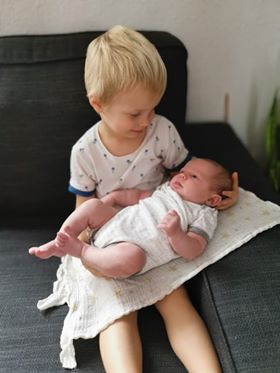
The most valuable experiences are usually the ones that strengthen connection rather than create expectations. A shared story, a cuddle on the sofa, or a few uninterrupted minutes together often matter far more than completing a task.
Some children love helping with the baby. Others prefer to observe from a distance for a while. Both responses are normal. Children are more likely to develop a genuine relationship with their sibling when they feel free to participate at their own pace.
Finding a New Family Rhythm
After a baby arrives, family rhythms often become less predictable. Parents are tired. Feeding takes time. Routines change. Quiet moments together can become harder to find. Many children react more strongly to these changes than to the baby itself.
Some become clingier. Others become more emotional, more sensitive, or briefly return to younger behaviours they had already outgrown. These responses are usually part of the adjustment process rather than signs that something is wrong. Over time, families gradually find a new rhythm together. Familiar routines, predictable moments of connection, and realistic expectations often help this transition feel easier for everyone.
You may also enjoy reading about creating a Montessori baby routine during the first months after birth.
Final thoughts
Helping your firstborn adjust to a new baby is not about creating the perfect sibling relationship from the beginning. When parents search for how to help their firstborn adjust to a new baby, they are often looking for the right words or activities. In reality, the most important thing is helping a child feel secure, valued, and connected while family life changes around them.
Years later, children rarely remember exactly how the news was shared or which activities were planned before the baby arrived. What often stays with them is something quieter: those months when they slowly began to feel that someone new was joining the family, while they still felt seen, valued, and loved.
Further Reading
If you’re preparing for life with a new baby, these articles may also be helpful:
- Tummy Time: Why It Matters and How to Make It Easier – Many older siblings enjoy joining floor time with the baby. Learn how tummy time supports movement development and how to make it a positive experience for everyone.
- The Montessori Floor Bed – A look at one of Montessori’s most well-known infant materials and how it supports freedom of movement, independence, and a prepared baby environment.